

In industries where precision, durability, and identification matter, choosing the right labeling method is crucial. Whether you’re marking machinery, labeling control panels, or customizing signage, the debate often comes down to two popular methods: laser engraving and UV printing.
Table of Contents
While both techniques have their benefits, the difference in long-term results can be significant—especially when creating engraved nameplates, engraved plates, or any nameplate custom solution.
In this post, we’ll take a detailed look at how each marking method—laser engraving and UV printing—works, compare their durability, clarity, and suitability across various materials, and provide helpful insights to guide you in choosing the best solution for your long-term engraved nameplates and labelling service needs.
What Are Engraved Nameplates?
Identification tags or signage are created by etching text, numbers, or graphics directly into a surface—usually metal or plastic. This process, often used for engraved nameplates, is typically done with a laser engraving machine that vaporizes the surface material to produce a permanent, readable mark.
These plates are ideal for harsh environments where labels must resist wear, chemicals, UV light, or heat. From industrial plants to military equipment, engraved nameplates are a gold standard for lasting identification.
What Is UV Printing?
UV printing (ultraviolet printing) is a modern, high-resolution digital printing process where ink is cured instantly with ultraviolet light. It allows full-color graphics to be printed directly on surfaces like metal, plastic, glass, and acrylic.
UV printing is popular for promotional items, colorful labels, and signage where visual appeal is as important as function. However, while it offers design flexibility for various solutions, questions arise when it comes to durability under tough conditions.
Laser Engraving vs. UV Printing: Head-to-Head Comparison
Let’s take a closer look at how these two widely used marking techniques — laser engraving and UV printing — compare across several key performance areas such as durability, clarity, cost-efficiency, and suitability for long-term service applications.
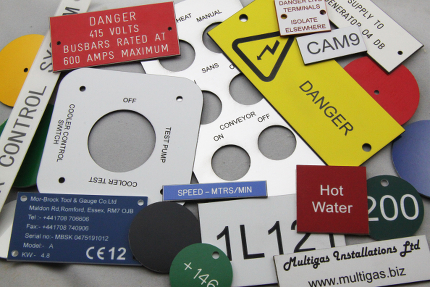
1. Durability
- Laser Engraving: Because the material is physically altered, engraved nameplates are virtually permanent. The engraved text or images won’t rub off, fade, or deteriorate, even in extreme conditions like chemical exposure, UV radiation, and abrasion.
- UV Printing: While UV-cured ink is water- and scratch-resistant, it still sits on the surface. Over time, especially with heavy use or harsh environments, it may fade, peel, or chip.
2. Visual Clarity
- Laser Engraving: Delivers sharp, high-contrast results, especially when done on materials like anodized aluminum or two-tone plastics. It’s excellent for critical labeling like serial numbers or equipment specs.
- UV Printing: Offers high-definition full-color printing with gradients and intricate designs. This is ideal for branded nameplate custom work or decorative pieces.
3. Material Compatibility
- Laser Engraving: Works on a wide variety of materials including metals (aluminum, stainless steel), plastics, wood, leather, and more. Engraving depth can be adjusted based on material type.
- UV Printing: Also works on diverse materials, but surface texture and finish can affect print quality. Smooth, flat surfaces work best.
4. Longevity in Harsh Environments
- Laser Engraving: Ideal for outdoor, industrial, and high-use applications. It withstands heat, cold, abrasion, chemicals, and sun exposure for years.
- UV Printing: More suited to indoor or low-impact environments. Prolonged UV exposure can cause color fading over time, even with protective coatings.
5. Customization and Detail
- Laser Engraving: Allows precision customization including serial numbers, barcodes, QR codes, and deep etching. However, it typically lacks full-color capabilities.
- UV Printing: Excels in customization with full-color images, gradients, and logos – great for nameplate custom projects with branding requirements.
Which Should You Choose?
If your priority is longevity, reliability, and resistance to wear, then laser-engraved nameplates are the clear winner. They provide permanent markings that remain readable and intact for decades, even in the harshest environments.
However, if your labeling needs are primarily aesthetic — such as colorful office signage, product branding, or short-term identification for customer-facing areas — then UV printing provides more visual versatility and design flexibility while still delivering a clean, professional service appearance.
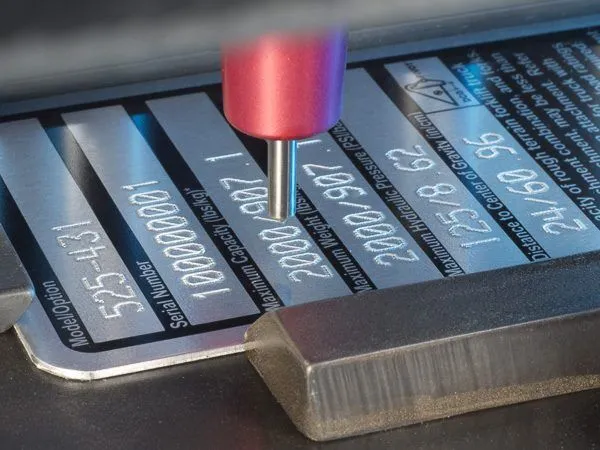
Common Use Cases for Engraved Nameplates
- Electrical Panels: Clear, readable, permanent labels
- Military and Aerospace: Resistant to extreme temperatures and chemicals
- Medical Equipment: Sterilizable and non-fading identification
- Architectural Signage: Durable outdoor or wayfinding signage
Common Use Cases for UV Printed Plates
- Event Signage: Temporary signs with logos or full-color artwork
- Decorative Nameplates: Office desks, awards, or plaques
- Promotional Items: Pens, keychains, and gifts with color logos
FAQs
Can engraved nameplates include logos and graphics?
Yes, logos and vector graphics can be engraved, but they’ll appear in monochrome. For full-color branding, UV printing may be better.
Are laser-engraved plates weatherproof?
Absolutely. They resist rain, sunlight, chemicals, and mechanical wear—making them ideal for outdoor and industrial use.
Can I customize the size and shape of nameplates?
Yes. Whether laser-engraved or UV printed, nameplate custom options are widely available for different sizes, materials, and mounting styles.
Does laser engraving work on colored surfaces?
Yes. In fact, anodized aluminum and layered plastics provide excellent contrast for engraved text and images.
What’s more cost-effective for long-term use?
Laser engraving may have a slightly higher upfront cost but offers better ROI due to fewer replacements, especially in tough environments.
Final Verdict: Engraved Nameplates for the Win
When it comes to durability, readability, and reliability, engraved nameplates are your best choice for long-term results. Whether you’re labeling machinery, marking safety info, or tagging assets, engraved plates will outperform UV printed ones over time—especially in demanding industrial or outdoor settings.
That said, UV printing still holds value for visually rich applications and short-term or indoor signage. Ultimately, the best choice depends on where and how your nameplate custom solution will be used.
If you’re looking for a permanent label that works as hard as your equipment, go with laser-engraved nameplates—they won’t let you down.
